
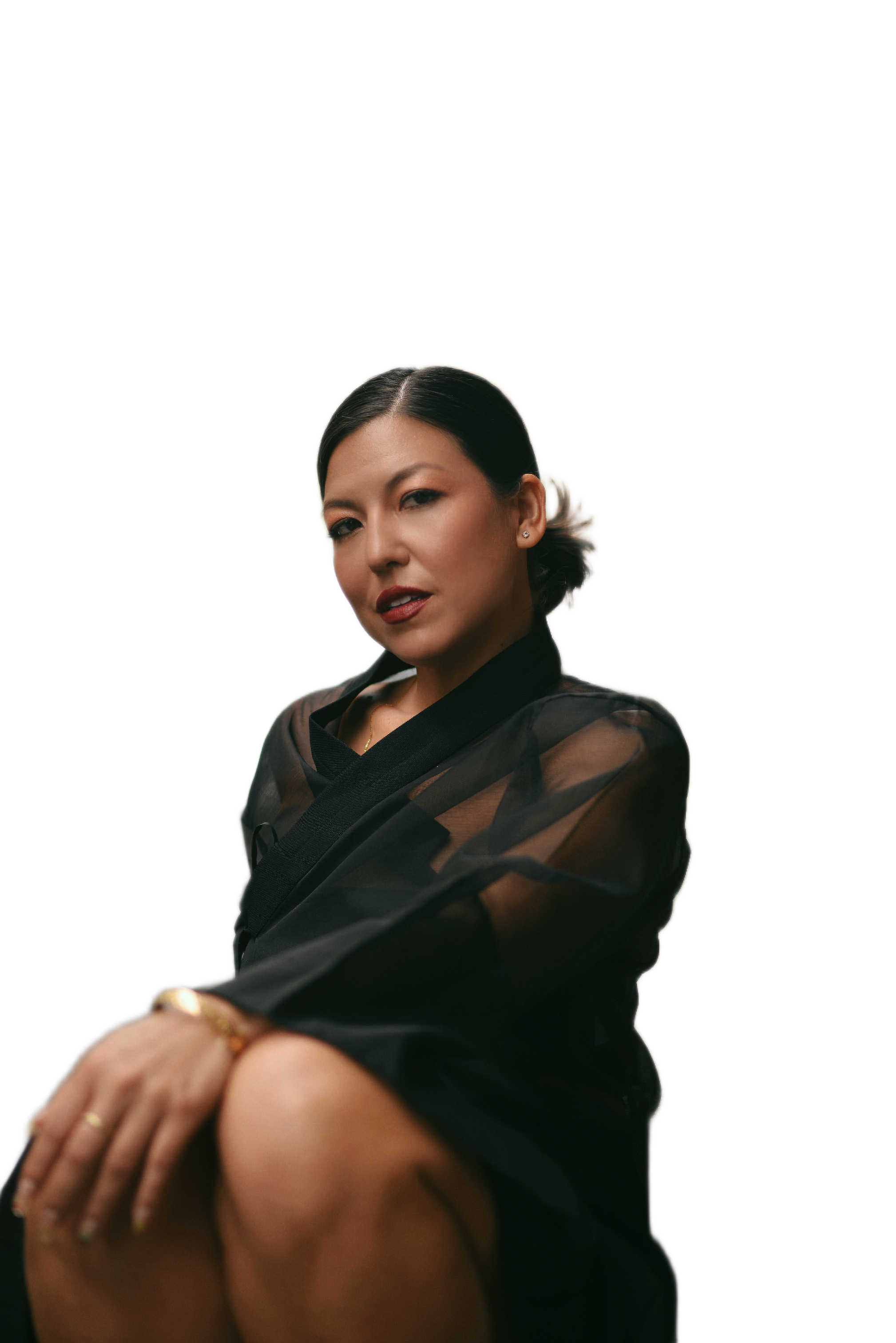
Educated, Unapologetic,
Unmistakable
PerspectIVES formed in the field, where data, culture, and power intersect.
A Reckoning
Doctor Kiona’s approach to data integrity was shaped in the field.

She began as a research assistant on a large, well-funded public health study, measuring children’s bodies and walking families through detailed food-frequency questionnaires. On paper, the work was straightforward. In practice, something wasn’t lining up. As a fluent Spanish speaker, Kiona noticed discrepancies almost immediately.
Kiona quickly realized that the questions assumed food was universal—when food is anything but.
A single question revealed the problem. “How many quesadillas do you eat per week?” To the researchers, it was a neutral data point. To Kiona, it was meaningless without context. A quesadilla in El Salvador is not the same bread pastry as a quesadilla in Mexico, which is cheese wrapped in tortilla. Within Mexico alone, the tortillas themselves might be made with different species of corn, different preparation methods, or flour instead of corn—each with vastly different nutritional values. Saying “three quesadillas a week” could mean entirely different things depending on region, culture, and ingredients.
The gap widened further when Kiona learned that the population being studied spoke an Indigenous language as their first language and Spanish as their second. Yet the study relied on a Venezuelan Spanish translator—someone unfamiliar with regional Mexican food systems and dialects. Words shifted meaning. Papaya became lechosa, which might be fruta bomba somewhere else entirely. Small differences, perhaps—but in a study this sensitive, they mattered.
Kiona raised her concerns. They were dismissed. To the lead researcher, Spanish was Spanish. Culture was interchangeable. Nuance was irrelevant.
That was the moment everything clicked. She watched a White professor receive millions of dollars to study communities she neither understood nor engaged with meaningfully. When the results were eventually published, Kiona understood something others didn’t want to acknowledge: the integrity of the data was questionable due to cultural ignorance. And those numbers—flattened, decontextualized—would go on to inform policy.
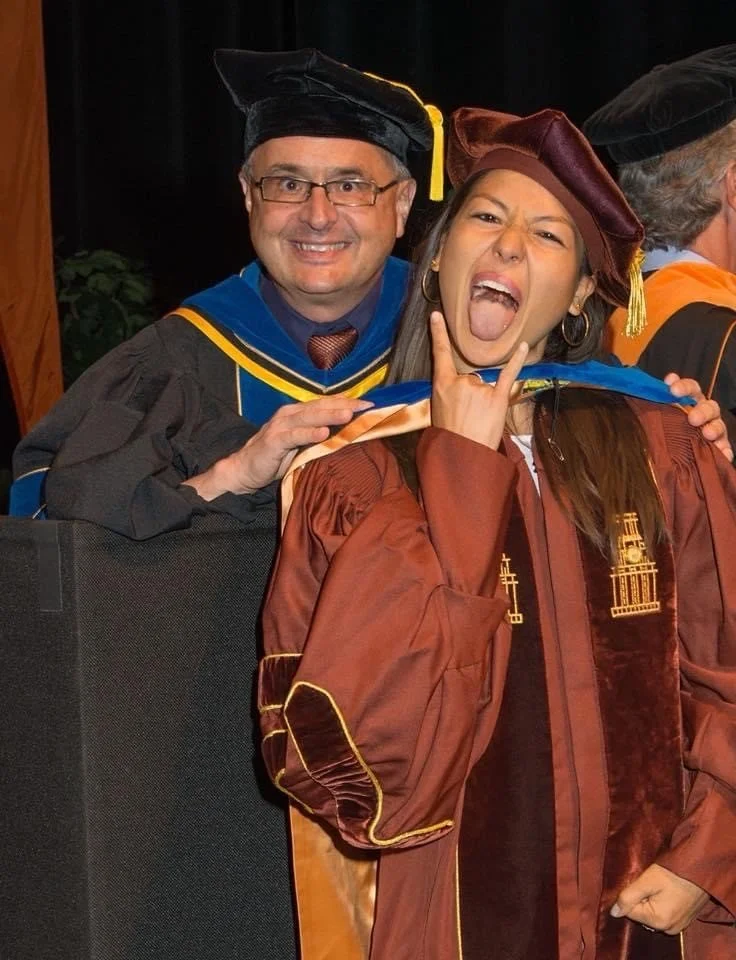
Her epidemiology research deepened this realization. Focusing on food deserts, sleep cycles, breastfeeding, and dietary frequency, she studied how these factors shape disease incidence, mortality, and survival rates. Again and again, the same pattern emerged: education, policy, and race were inseparable. And again and again, research was being interpreted by people far removed from the communities it claimed to represent.
That realization stayed with her. So did the fact that millions of dollars continued to fund studies led by people who neither spoke the language nor understood the culture. When Kiona continued to push back, she was punished for it.
So she walked away from academia.
But she didn’t walk away from the problem.
Instead, Doctor Kiona built a career—and the program GRAD SKU—designed to confront this exact failure: pushing for disaggregated data, cultural accountability, and pathways for People of Color to enter higher education so communities could finally study themselves. Offered free to Patreon subscribers, GRAD SKU has aided thousands—working to ensure communities are no longer studied exclusively by outsiders. Today, she speaks at institutions like the Smithsonian on Asian American data integrity and statistics, holding fast to a promise she made early on: She will only interpret data rooted in cultures she understands.
All others, she listens—and learns.
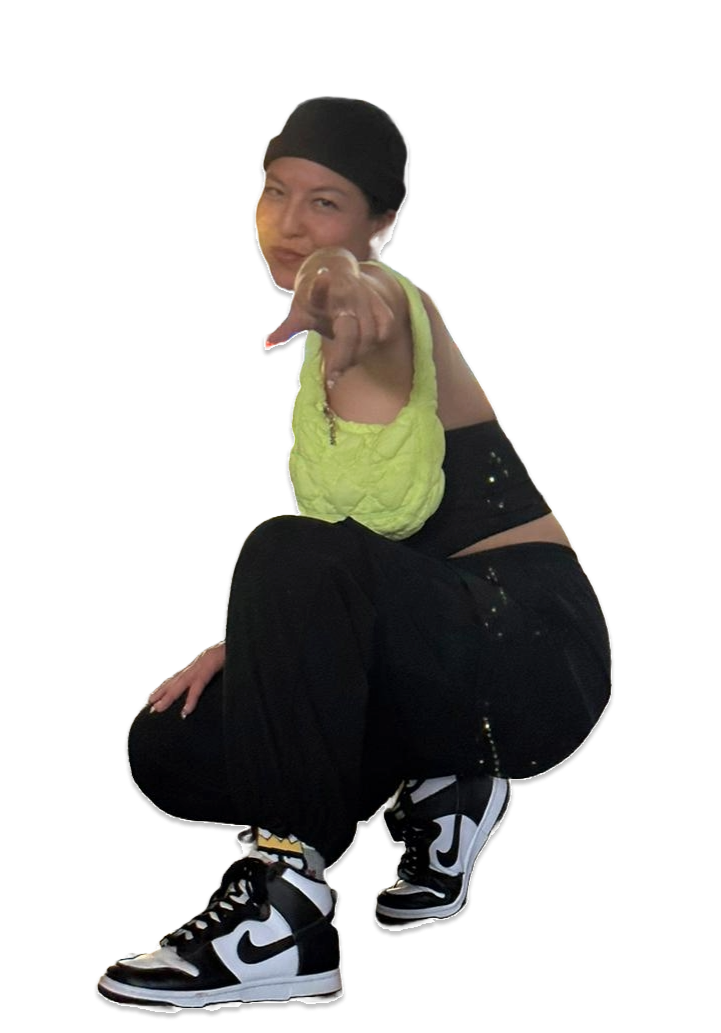

APPLY TO GRAD SCHOOL
Making grad school accessible: Learn How Not to Grad School
As the first person in her family to get a Ph.D. and the only person who wasn’t a White or international student in her program, Doctor Kiona once thought grad school was out of reach. When she found out she could get a Ph.D. for zero dollars, she pursued a career in academia. That career was filled with bumps and bruises, and now, she’s compiled all her knowledge—along with that of 50 academic experts—to help you do grad school the right way.
Learn how to go to grad school for free, not write a trauma-porn essay, present empowerment vs. victimization, apply for scholarships, and protect your mental health because your life depends on it.
50
10,000+
Students passed through the program to date
Professors compiling their teachings
$10,000
Scholarships given out.
$5
The cost to learn how to grad school (and your daily latte!).